
Oct 26: As conversations around health increasingly intersect with stress, demanding schedules and the pursuit of longevity, wellness expert and entrepreneur Dinaz Vervatwala is advocating a shift in how people approach their wellbeing: moving beyond short-term fitness goals towards a more sustainable relationship with the mind and body.
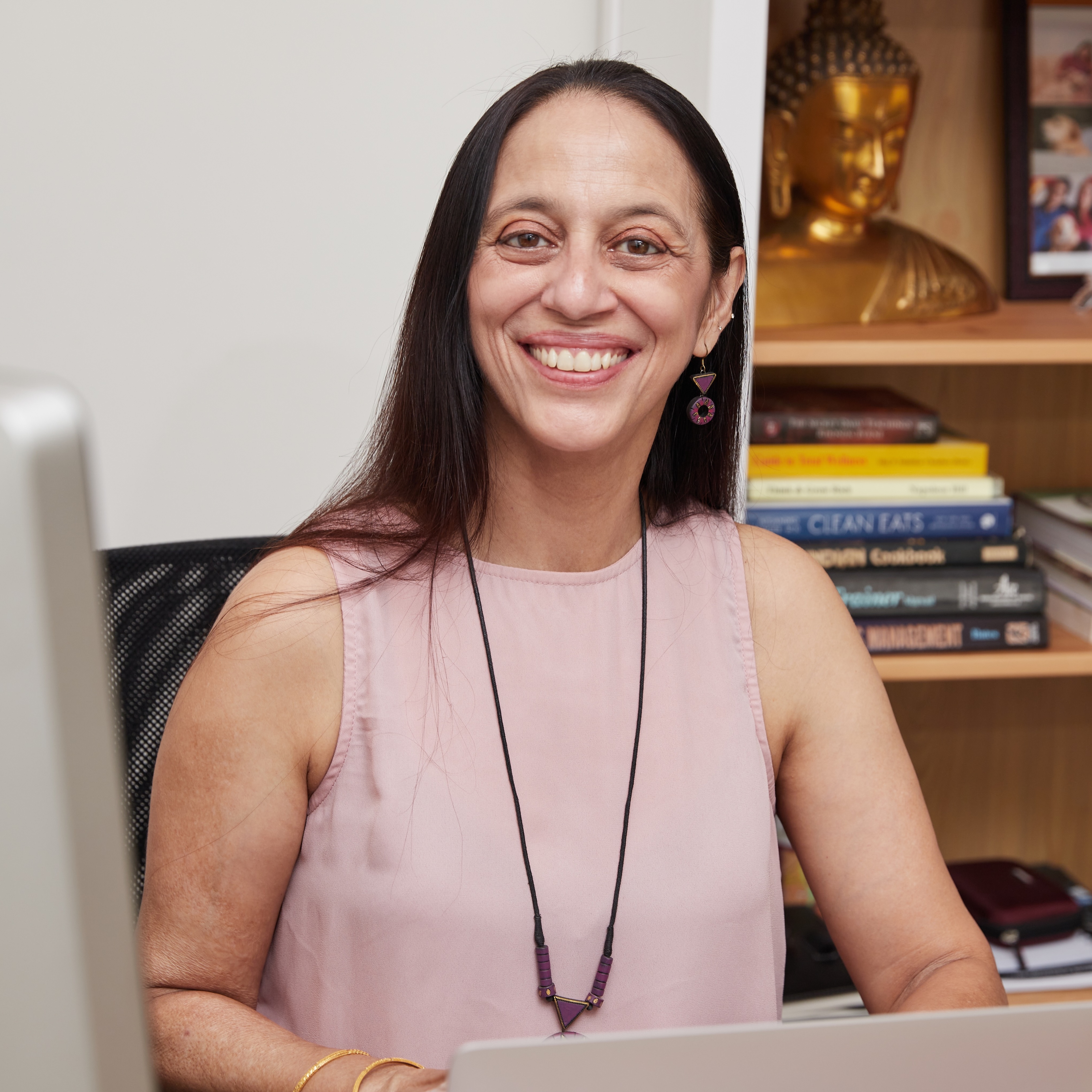
With a career spanning more than 35 years, Vervatwala began her journey in women's fitness in 1993, building her practice at a time when organised aerobics was still relatively unfamiliar to many in Hyderabad. A former chartered accountant, she went on to establish herself in the fitness industry, earning recognition for completing a 26-hour aerobics marathon and becoming a Guinness World Record holder. She was also named third runner-up at the Miss Fitness Universe pageant in 2011, according to published accounts.
Today, Vervatwala is broadening the conversation beyond exercise routines and physical appearance. Her work centres on the relationship between mindset, movement, stress, energy and the habits that shape long-term wellbeing. She believes that while people increasingly recognise the importance of health, many struggle to make it a consistent part of their lives because they view it as another demanding commitment rather than an integral part of everyday living.
“Over the years, I have seen people approach health as something they will focus on when they have more time. But there is always another responsibility, another deadline or another priority waiting. I believe we need to change that thinking. Wellness should be practical enough to become part of your life, rather than something you keep postponing,” says Vervatwala.
Beyond Fitness: Addressing the Mind Behind the Habit
A defining element of Vervatwala's current approach is her emphasis on mindset and behaviour change alongside physical activity. Through her signature 18/9 Mind-Body Approach, she advocates a structured, time-conscious routine combining 18 minutes of focused movement with nine minutes of guided meditation or mental reset.
The approach reflects her broader belief that sustainable wellness does not necessarily require complicated routines or dramatic lifestyle changes. Instead, it begins with making health a consistent priority and developing habits that can be maintained alongside professional, family and personal responsibilities.
Vervatwala's perspective draws on decades of working with women and individuals across different stages of life. She has observed how health can become secondary to competing responsibilities, with many people only reconsidering their habits when physical wellbeing begins to demand attention.
Her approach seeks to make wellness more accessible by encouraging people to examine not only what they do, but also the beliefs and routines that influence their decisions. Rather than treating fitness as an isolated activity, she sees it as part of a wider conversation about energy, resilience, self-awareness and quality of life.
Taking the Conversation to Professionals and Organisations
Vervatwala is also looking to extend this philosophy to professionals, entrepreneurs, senior executives and organisations seeking more practical approaches to wellbeing. For individuals managing demanding schedules, the challenge is often not a lack of awareness about health, but the difficulty of translating that awareness into consistent action.
Her focus is on encouraging people to view wellbeing as an ongoing personal responsibility rather than a goal reserved for periods when life becomes less demanding. The same principle informs her interest in corporate wellness: helping individuals recognise the relationship between everyday habits, personal wellbeing and their ability to sustain demanding professional lives.
“Health should not be something we attend to only when something goes wrong. It needs to be part of how we live, the choices we make and the way we manage our responsibilities. My focus is on helping people find an approach that is realistic for their lives and sustainable over time,” she adds.
As Vervatwala looks towards the next phase of her work, she intends to bring her experience in fitness, mindset and personal transformation to a wider audience through expert commentary, speaking engagements, individual coaching and corporate wellness conversations.
Her broader message is straightforward: a healthier life does not have to begin with an overhaul. It can begin with a shift in mindset, a more consistent approach to movement and a willingness to make personal wellbeing a priority.
For Vervatwala, the next chapter is about taking a philosophy developed over decades in fitness and applying it to a larger question: how can people build healthier lives without making wellness another burden to carry?